 Skip to content
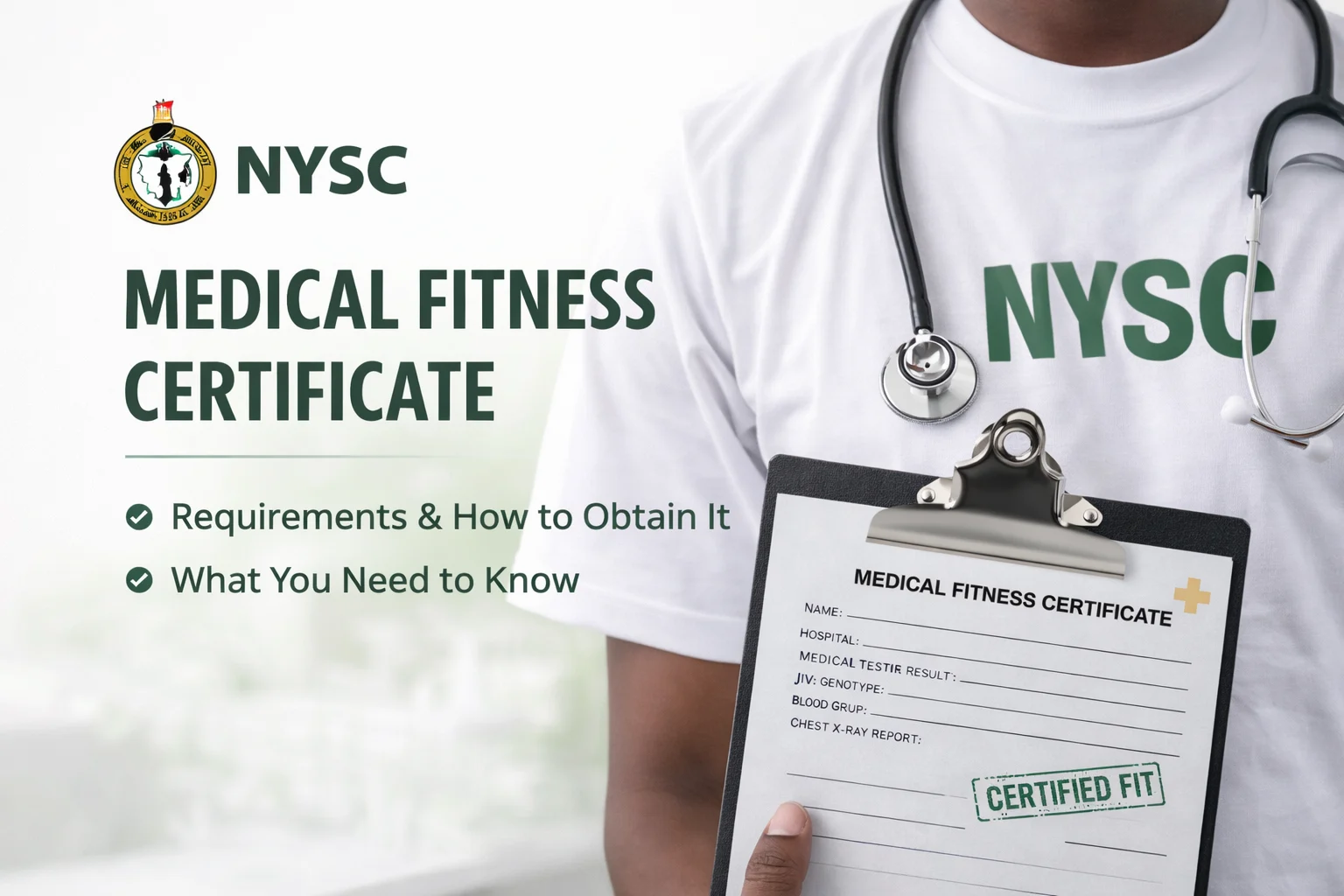
Imagine receiving your NYSC call-up letter, the excitement bubbling up as you realize you’re about to begin a new chapter of service to your nation. Then reality hits you that you need a NYSC medical fitness certificate, and you’re not quite sure where to start. This document isn’t just another bureaucratic hurdle; it’s a safeguard that ensures you’re physically and mentally prepared for the challenges ahead during your national service year.
For many prospective corps members, the NYSC medical fitness certificate process feels confusing and stressful. Questions like, Which hospital should I visit? What exactly will they test? How much will it cost? Can I use just any facility, or does it need to be government approved? These uncertainties often lead to last minute scrambles and unnecessary anxiety during what should be an exciting transition period.
This guide walks you through everything you need to know about obtaining your NYSC medical fitness certificate. You’ll discover exactly which facilities are authorized to issue this document, understand each medical test you’ll undergo, learn how to prepare for the examination, and find out how to avoid common pitfalls that delay or complicate the process. By the end, you’ll approach this requirement with confidence rather than confusion.
Understanding the NYSC Medical Fitness Certificate Requirement
The National Youth Service Corps medical fitness certificate serves as official documentation that you’re physically and mentally capable of participating in the orientation camp activities and subsequent primary assignment. This isn’t a formality, the NYSC scheme involves physical drills, community development work, and adapting to potentially unfamiliar environments. The certificate protects both you and the program by identifying health conditions that might require special accommodations or medical attention during your service year.
NYSC officials introduced this requirement after recognizing that some corps members faced serious health challenges during orientation camp. Cases of undiagnosed hypertension, diabetes, and other conditions led to medical emergencies that could have been prevented with proper screening. The certificate now forms part of your registration documentation and must be submitted before you’re cleared to proceed with the orientation program.
When Should You Get Your Medical Certificate?
Timing matters more than you might think. The ideal window for obtaining your medical fitness certificate is between receiving your call-up letter and reporting to orientation camp. Most corps members complete this requirement 2-4 weeks before their reporting date, allowing enough time to address any health issues that might be discovered during the examination.
Don’t wait until the final week before camp. Medical facilities get crowded as reporting dates approach, and you might face longer wait times. More importantly, if the examination reveals a condition requiring treatment or further investigation, you’ll need time to address it without jeopardizing your reporting deadline. Some prospective corps members have had to defer their service year because they discovered treatable conditions too late to receive clearance.
Where to Get Your Medical Fitness Certificate
Not every health facility can issue a valid NYSC medical fitness certificate. The organization maintains specific requirements about which institutions qualify to conduct these examinations and provide the necessary documentation. Understanding these requirements saves you time, money, and the frustration of having your certificate rejected during registration.
Government Hospitals and Teaching Hospitals
Government owned hospitals remain the most widely accepted facilities for NYSC medical examinations. These include federal medical centres, state general hospitals, and university teaching hospitals. These institutions typically have standardized examination protocols and their stamps carry automatic recognition during NYSC registration.
Teaching hospitals often provide the most comprehensive examinations because they have access to a full range of diagnostic equipment and specialists. If you have any pre-existing health conditions or concerns, these facilities offer the added benefit of specialist consultations if needed. The downside? They can be busier, with longer waiting times during peak NYSC registration periods.
Military and Paramilitary Hospitals
Military hospitals, police hospitals, and other paramilitary medical facilities are fully authorized to conduct NYSC medical examinations. These facilities often process applications more quickly than civilian hospitals and maintain strict standards in their medical assessments. Corps members from families with military connections often find these facilities more accessible.
The examination quality at military hospitals tends to be consistent and thorough. However, access might be restricted if you don’t have military identification or a referral. Check with the specific facility beforehand to understand their admission policies for civilians seeking NYSC medical certificates.
Registered Private Hospitals
Private hospitals can issue NYSC medical fitness certificates, but there’s a catch: they must be properly registered with the appropriate regulatory bodies and have a recognized doctor’s stamp. The facility should have a functional laboratory and basic diagnostic equipment to perform the required tests. Small clinics or diagnostic centres without full hospital registration might produce certificates that get rejected during NYSC registration.
Before choosing a private hospital, verify their credentials. Ask if they regularly process NYSC medical certificates and whether previous corps members have successfully registered with certificates from their facility. Read reviews or contact your state NYSC office to confirm the hospital’s acceptability if you’re uncertain.
What Makes a Certificate Valid?
Your medical fitness certificate must meet specific criteria to be accepted during NYSC registration:
- Printed on the hospital’s official letterhead with clear contact information
- Signed and stamped by a qualified medical doctor (not a nurse or medical assistant)
- Contains your full name exactly as it appears on your call-up letter
- Lists all tests performed with their results
- States clearly that you’re medically fit for NYSC participation
- Dated within three months of your reporting date
- Includes the doctor’s registration number and hospital registration details
Certificates lacking any of these elements might be rejected, forcing you to repeat the entire process. Double check your certificate before leaving the hospital to ensure completeness.
Required Medical Tests: What to Expect During Your Examination
The NYSC medical fitness examination involves a series of standardized tests designed to assess your overall health status. Understanding what each test measures helps you prepare mentally and physically for the process. Most examinations take 2-4 hours to complete, depending on the facility’s efficiency and how busy they are.
General Physical Examination
Your medical assessment begins with a basic physical examination where the doctor checks your vital signs and overall appearance. This includes measuring your height, weight, and body mass index (BMI). The doctor will examine your eyes, ears, nose, throat, and check for any obvious physical abnormalities or conditions that might affect your ability to participate fully in NYSC activities.
The physical exam also includes checking your reflexes, joint mobility, and cardiovascular function. The doctor listens to your heart and lungs, palpates your abdomen, and assesses your general coordination and balance. This hands-on examination helps identify conditions that laboratory tests might miss.
Blood Pressure and Cardiovascular Assessment
Hypertension remains one of the most common conditions discovered during NYSC medical examinations. The medical team will take your blood pressure reading, typically multiple times to ensure accuracy. Normal blood pressure falls below 120/80 mmHg. Readings consistently above 140/90 mmHg might require further evaluation and possibly treatment before you’re cleared for camp.
If you have a history of high blood pressure or if the initial reading is elevated, the doctor might recommend a repeat test or even a referral to a cardiologist. Don’t panic if your blood pressure is slightly elevated during the examination, the anxiety about the test itself can temporarily raise your reading. Relax, breathe deeply, and request a second reading after a few minutes of rest.
Laboratory Tests: Blood Work and Urinalysis
Blood tests form the core of the medical fitness examination. Standard tests include:
- Full Blood Count (FBC): Measures red blood cells, white blood cells, and platelets to check for anemia, infection, and blood disorders
- Blood Group and Genotype: Identifies your blood type (A, B, AB, or O) and genetic makeup (AA, AS, SS, AC, or SC)
- Blood Sugar (Fasting or Random): Screens for diabetes or pre-diabetic conditions
- HIV/AIDS Screening: Mandatory test for HIV status (results are confidential)
- Hepatitis B and C Screening: Checks for viral hepatitis infections
Urinalysis examines your urine sample for signs of kidney problems, diabetes, urinary tract infections, and other metabolic conditions. The test looks at the physical appearance, chemical composition, and microscopic elements in your urine. Abnormal results often prompt additional testing or specialist referral.
Chest X-Ray Examination
A chest X-ray screens for respiratory conditions, including tuberculosis, pneumonia, and structural abnormalities of the heart and lungs. This imaging test is particularly important given the close living quarters during orientation camp, where respiratory infections can spread easily. The X-ray also helps detect conditions like enlarged heart, lung masses, or skeletal abnormalities that might require medical attention.
Some facilities include the chest X-ray in their standard NYSC medical package, while others require a separate fee. The radiologist reviews the image and provides a report that becomes part of your medical certificate documentation.
Vision and Hearing Tests
Basic vision screening checks your ability to see clearly at various distances. The doctor uses a standard eye chart to assess your visual acuity. If you wear glasses or contact lenses, bring them to the examination. The test doesn’t require perfect vision, many corps members serve successfully with corrective eyewear. But severe visual impairment might necessitate special accommodations during camp activities.
Hearing tests, though less standardized across facilities, might be included in your examination. The doctor typically performs a simple assessment of your ability to hear and respond to spoken words at different volumes. Significant hearing impairment should be documented so appropriate accommodations can be made during your service year.
Mental Health Screening
Mental health assessment forms part of the fitness evaluation, though it’s often less formal than physical health tests. The doctor asks questions about your psychiatric history, current mental state, and any medications you’re taking for mental health conditions. Be honest during this conversation, the goal isn’t to disqualify you but to ensure you receive appropriate support if needed.
Depression, anxiety, and other mental health conditions don’t automatically disqualify you from NYSC service. However, the medical team needs to know about these conditions to help you access care during your service year and to make recommendations about your placement and assignments.
Preparing for Your Medical Fitness Examination
Proper preparation ensures your medical examination goes smoothly and produces accurate results. Follow these recommendations to optimize your test outcomes and avoid unnecessary complications.
Before the Day of Your Examination
Schedule your appointment at least two weeks before your NYSC reporting date. This buffer gives you time to address any issues that arise during testing. Contact the hospital beforehand to confirm their examination fees, required documents, and operating hours. Some facilities require advance booking, especially during peak NYSC seasons.
Gather the documents you’ll need:
- Valid identification (national ID card, driver’s license, or international passport)
- NYSC call-up letter or deployment letter
- Passport photographs (usually 2-4 copies)
- Previous medical records if you have any chronic conditions
- Cash for payment (many facilities don’t accept card payments)
Get adequate sleep the night before your examination. Poor sleep can affect your blood pressure, stress levels, and overall test results. Avoid strenuous exercise the day before, as this can temporarily alter certain blood values.
Fasting Requirements
Most facilities require fasting for 8-12 hours before your blood tests, particularly for blood sugar measurements. This typically means no food or drinks (except water) from midnight before your morning appointment. Water is allowed and encouraged, as staying hydrated makes blood draw easier.
If you’re on regular medications, ask your doctor whether you should take them before the fasting blood test. Some medications should be taken with food, while others can be taken on an empty stomach. Don’t skip important medications without medical advice.
What to Wear and Bring
Dress comfortably in loose fitting clothing that allows easy access for physical examination and blood tests. Avoid tight sleeves that make blood pressure readings difficult. Bring a light jacket, as hospital air conditioning can be cold during lengthy wait times.
Carry water and light snacks to consume after your blood draw, especially if you’ve been fasting. Low blood sugar after fasting can make you feel dizzy or weak. Many hospitals have cafeterias, but having your own refreshments ensures you can eat immediately after testing.
Cost Breakdown: How Much Will You Pay?
The cost of your NYSC medical fitness certificate varies significantly based on the type of facility and your location. Understanding the typical price ranges helps you budget appropriately and avoid overcharging.
Government Hospital Fees
Federal medical centres and state general hospitals typically charge between ₦5,000 and ₦15,000 for a complete NYSC medical examination package. This usually includes all required tests, the physical examination, and certificate issuance. These facilities often offer the most affordable rates because they’re subsidized by the government.
Teaching hospitals might charge slightly more, ranging from ₦10,000 to ₦20,000, depending on whether you’re a registered patient at the facility. Some teaching hospitals offer discounted rates for students or alumni of their affiliated universities.
Private Hospital Costs
Private hospitals generally charge higher fees, typically between ₦15,000 and ₦35,000 for the complete examination package. The higher cost often reflects faster service, less waiting time, and more comfortable facilities. Some premium private hospitals charge upwards of ₦40,000, though this isn’t necessary for a standard NYSC medical certificate.
Before committing to a private facility, ask for a detailed breakdown of costs. Some hospitals charge separately for each test rather than offering a package deal, which can unexpectedly increase your total bill. Compare prices between facilities in your area to find reasonable rates without compromising quality.
Additional Costs to Consider
Factor in transportation costs to and from the hospital, especially if you’re visiting a facility far from your home. If you need to repeat any tests or seek specialist consultation based on abnormal results, budget for these additional expenses. Passport photographs for your certificate might cost ₦500-₦1,000 if you don’t have them ready.
Some corps members need to purchase medications or begin treatment for conditions discovered during the examination. While this isn’t part of the certificate cost, it’s a potential expense to keep in mind.
Common Issues and How to Handle Them
Several challenges commonly arise during the medical fitness certificate process. Knowing how to address these issues prevents delays and reduces stress.
Abnormal Test Results
Discovering a health condition during your NYSC medical examination can feel alarming, but many issues are manageable with proper treatment. High blood pressure, slightly elevated blood sugar, or minor infections often respond quickly to medication. Work with your doctor to address the condition, then return for a follow-up examination once your readings normalize.
Don’t attempt to hide or minimize health conditions. The medical team is there to help you serve safely, not to disqualify you from NYSC. Being upfront about health issues ensures you receive appropriate care and accommodations during your service year.
Certificate Rejection During Registration
Sometimes certificates get rejected during NYSC registration due to technical issues: missing signatures, illegible stamps, incomplete information, or certificates from unrecognized facilities. If this happens, contact the issuing hospital immediately to request corrections or a replacement certificate. Most hospitals will assist with reissuing corrected documentation at no additional charge if the error was theirs.
To avoid rejection, carefully review your certificate before leaving the hospital. Check that all information is accurate, complete, and clearly printed. Confirm that the doctor’s signature and official stamp are visible and that the hospital’s letterhead includes contact information.
Expired Certificates
Medical fitness certificates typically remain valid for three months from the issue date. If your reporting date gets postponed or you defer your service year, your certificate might expire before camp. Unfortunately, you’ll need to repeat the entire examination and obtain a fresh certificate. To minimize this risk, time your medical examination to coincide closely with your expected reporting date.
Special Accommodations for Pre-existing Conditions
Corps members with chronic conditions like asthma, diabetes, epilepsy, or physical disabilities can still participate in NYSC with appropriate medical documentation and accommodations. Your medical fitness certificate should clearly state your condition, current treatment, and any special needs you might have during service.
The NYSC medical team uses this information to make informed decisions about your placement and ensure you have access to necessary medications and care during your service year. Don’t let fear of rejection prevent you from disclosing important health information.
Alternative Options: Online and Mobile Medical Services
Technology has introduced new possibilities for obtaining medical certificates, though not all innovations apply to NYSC requirements. Understanding which modern options work for NYSC purposes helps you make informed decisions.
Can You Get Your NYSC Medical Certificate Online?
Currently, NYSC doesn’t accept purely online medical certificates. The examination requires in-person assessment, laboratory tests, and imaging studies that cannot be completed remotely. Some hospitals offer online booking systems or telemedicine consultations for initial discussions, but you’ll still need to visit the facility physically for testing and certificate issuance.
Be cautious of services claiming to provide legitimate NYSC medical certificates without physical examination. These are often fraudulent and will be rejected during registration, potentially leading to serious consequences including disqualification from the service year.
Mobile Medical Services
Some private medical providers offer mobile health services where they bring testing equipment to your location. While convenient, verify that these services can issue certificates that meet NYSC requirements. The certificate must still bear the stamp and signature of a registered medical facility and qualified doctor, which some mobile services cannot provide.
Hospital Partnerships with NYSC
Certain hospitals have established formal relationships with NYSC to streamline the medical certification process. These facilities understand NYSC requirements thoroughly and process certificates efficiently during peak seasons. Your state NYSC office can provide information about preferred hospital partners in your area.
State-Specific Considerations and Deployment Issues
Your deployment state might influence your medical certificate process. Understanding these variations helps you plan appropriately.
Getting Your Certificate Before or After Deployment
Most corps members obtain their medical fitness certificate in their home state before traveling to their deployment destination. This approach allows you to use familiar hospitals and might reduce costs if you have existing relationships with local medical facilities. However, you can also get your certificate in your deployment state if you arrive early enough before the reporting date.
Some corps members prefer getting examined in their deployment state to establish a relationship with local healthcare providers who might provide ongoing care during the service year. This decision depends on your personal circumstances, health status, and timeline.
Transferring Medical Documentation
If health conditions discovered during your initial examination require specialist care, you might need to transfer medical records between your home state and deployment location. Request copies of all test results and medical reports from your examining physician. These documents help healthcare providers in your deployment state continue appropriate treatment without repeating expensive tests.
State Level Certificate Requirements
While NYSC maintains national standards for medical fitness certificates, individual state coordinators might have slight variations in their documentation preferences. Contact your state NYSC office or check the official NYSC portal for state-specific guidance before your examination. This proactive approach prevents certificate rejection due to minor format differences.
Frequently Asked Questions About NYSC Medical Fitness Certificates
Can I Use a Certificate From My School Medical Center?
University health centers can issue NYSC medical fitness certificates if they meet the standard requirements: they must be registered medical facilities with qualified doctors, proper laboratory and imaging equipment, and official certification from health regulatory bodies. Many university medical centers regularly process NYSC certificates for graduating students, making them convenient options if available at your institution.
What Happens If I’m Pregnant During Medical Examination?
Pregnancy doesn’t automatically disqualify you from NYSC participation. However, the medical team will document your pregnancy status and expected delivery date. NYSC typically grants temporary exemptions to pregnant corps members or those with very young infants, allowing you to defer service until after delivery and postpartum recovery. Discuss your situation openly with the examining physician to understand your options.
Do I Need to Repeat Tests I Recently Had Done?
If you’ve had recent medical tests (within the past month) for other purposes, bring those results to your NYSC medical examination. Some doctors will accept recent test results rather than requiring repeats, especially for tests like blood grouping and genotyping that don’t change over time. However, the examining physician makes the final decision about which results they’ll accept. This approach might reduce your examination costs while still meeting NYSC requirements.
Can Someone Else Collect My Certificate For Me?
Certificate collection policies vary by hospital. Some facilities require you to collect your certificate personally with proper identification, while others allow designated representatives if you provide authorization. Call the hospital’s medical records department to understand their policy before sending someone on your behalf. Having a signed authorization letter and copies of both your ID and the representative’s ID usually facilitates collection.
What If I Discover a Serious Health Condition?
Discovering a significant health condition during your NYSC medical examination requires immediate attention but doesn’t necessarily end your NYSC journey. Many conditions are manageable with proper treatment and medical supervision. Communicate openly with both your healthcare provider and NYSC officials about your situation. The organization can make accommodations for corps members with health challenges, including modified duties, access to medical care, and appropriate placement considerations.
In cases where immediate service participation would jeopardize your health, NYSC offers deferment options that allow you to focus on treatment and recovery before beginning your service year. Your health takes priority over all other considerations.
Conclusion
Your NYSC medical fitness certificate represents more than just another document to collect, it’s an important step in ensuring your health and safety during your service year. By understanding where to obtain this certificate, which tests are involved, and how to prepare for the examination, you’re setting yourself up for a smooth start to your NYSC experience.
The process doesn’t need to be stressful or confusing. Choose an authorized facility that fits your budget and schedule, gather your required documents, prepare properly for the examination, and carefully review your certificate before submission. If challenges arise, whether abnormal test results, certificate issues, or questions about your health status, kindly approach them proactively with support from medical professionals and NYSC officials.
Remember that this medical screening exists for your benefit. The examination helps identify conditions you might not have known about, ensuring you receive appropriate care and support throughout your service year. Take this opportunity seriously, be honest about your health status, and use the process to establish good healthcare practices that will serve you well beyond your NYSC experience.
Start your medical fitness certificate process early, preferably 2-4 weeks before your reporting date. This timeline provides adequate buffer time for addressing any issues that arise while eliminating last-minute pressure.
Ready to begin your NYSC journey on the right foot? Don’t delay obtaining your medical fitness certificate. Identify an authorized facility in your area this week, schedule your appointment, and take this important step toward a successful service year. Your preparation now shapes your experience ahead.