 Skip to content
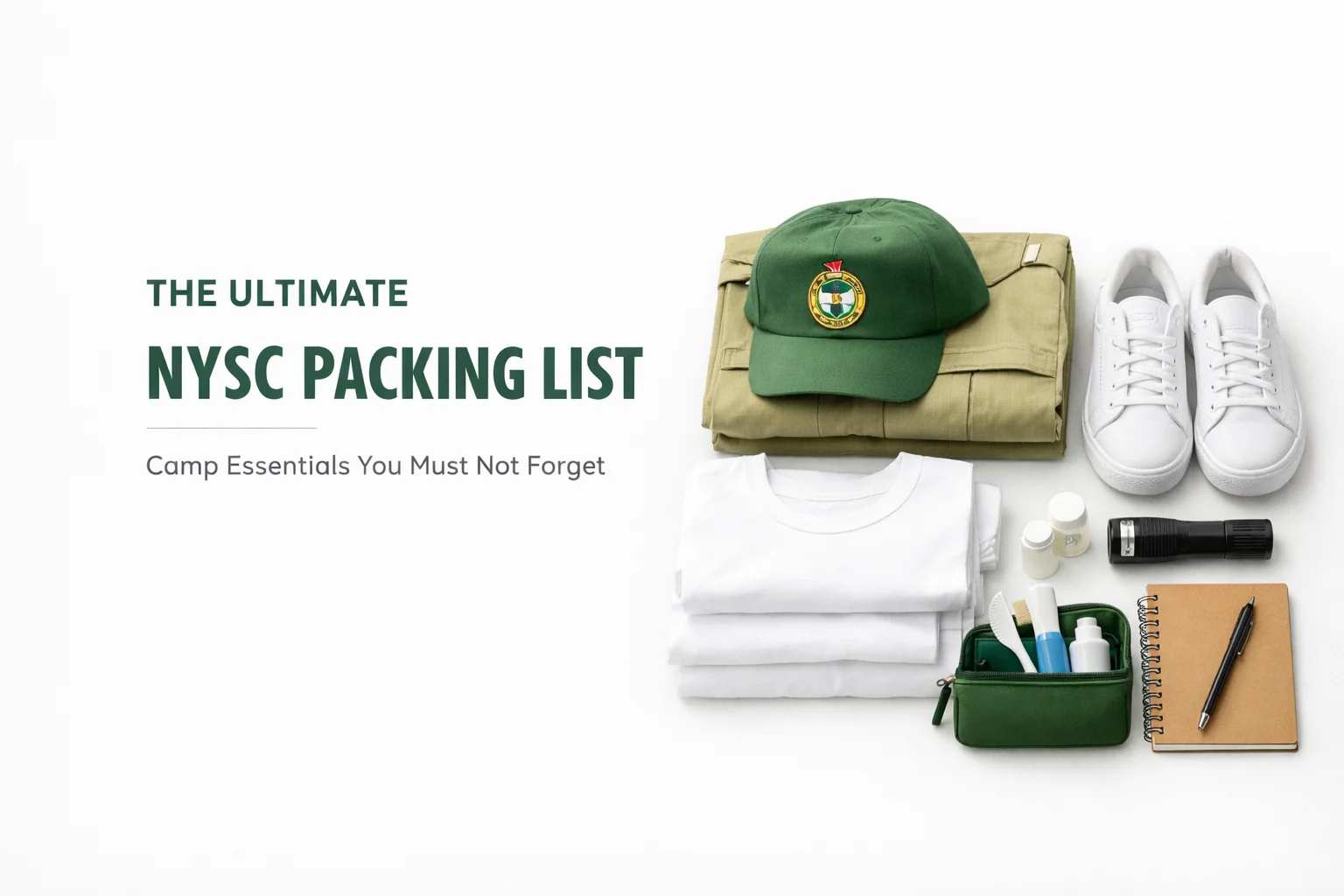
Picture this: It’s 5 AM at the NYSC orientation camp and you’re frantically searching through your luggage for that one essential item you forgot to pack. Your bunk mate borrowed their neighbor’s, who borrowed from someone three beds down. Meanwhile, you’re stuck improvising with a wrapper and some safety pins. If this scenario sounds like a nightmare, you’re in the right place.
Every year, thousands of Nigerian graduates report to various NYSC camps across the country, and surprisingly, many arrive unprepared. A 2023 survey of over 800 corps members revealed that 67% wished they had packed differently, and 42% had to purchase items at inflated prices from camp vendors. The truth is, three weeks might not sound long, but arriving without the right personal items can turn your orientation into an expensive, uncomfortable experience.
This guide about the ultimate NYSC packing list will walk you through every personal item you need to buy before reporting to camp. The good part is that no fluff, no guesswork. Whether you’re heading to Zamfara, Lagos, or anywhere in the country, these recommendations come from real corps members who’ve survived (and thrived) through orientation. Let’s make sure you’re not the one borrowing toothpaste at midnight.
Toiletries and Personal Hygiene Items You Can’t Skip
Personal hygiene tops the list because camp bathrooms are shared facilities with limited privacy. The fewer items you forget, the less you’ll spend at those overpriced camp kiosks.
Daily Essentials That Keep You Fresh
Start with the basics: toothbrush, toothpaste (two tubes minimum), bathing soap, and sponge. Many corps members make the mistake of packing only one toothbrush, instead pack two. Things get lost, dropped in questionable places, or borrowed and never returned.
Deodorant is non negotiable. You’ll be drilling, marching, and sweating under the Nigerian sun for hours. Roll-on deodorants work better than sprays because they last longer and won’t evaporate in the heat. Pack at least two containers.
- Toothbrush (2 pieces)
- Toothpaste (2 medium tubes)
- Bathing soap (3-4 bars or liquid soap in squeeze bottles)
- Body lotion (large bottle for dry skin after repeated bathing)
- Deodorant (2 roll-ons or sticks)
- Face wash or facial soap
- Lip balm (sun and heat cause cracked lips)
- Shower cap (especially for ladies)
- Body spray or perfume (something subtle for daily use)
Hair Care Products Based on Your Hair Type
Hair maintenance becomes tricky at camp because time is limited and facilities are basic. Ladies with natural hair should pack leave-in conditioner, edge control, and a satin bonnet to preserve hairstyles. Gentlemen will need clippers or plan for barbing services at the camp salon.
If you’re doing protective styles before camp (highly recommended), pack products that help maintain them. Spritz bottles with diluted conditioner work wonders for refreshing braids or twists. One corps member from the 2023 Batch A shared how she survived three weeks with cornrows by spraying her scalp daily with a tea tree oil mixture.
Feminine Hygiene Products
Ladies, pack more sanitary products than you think you’ll need. Periods can arrive unexpectedly due to stress, travel, and changes in routine. Bring at least two full packs of pads, panty liners for daily freshness, and pain relievers specifically for menstrual cramps.
Disposable bags for used pads are smart additions since not all camp toilets have proper disposal systems. Wet wipes become invaluable during your period when you need to freshen up quickly between activities.
Medical and First Aid Items Every Corps Member Needs
The camp clinic handles serious medical issues, but you shouldn’t rely on it for minor ailments. Having your own medical supplies saves time and keeps you comfortable when small health problems arise.
Your Personal Mini-Pharmacy
Malaria medication should be priority one. Whether you prefer preventive antimalarials or treatment doses, bring them. Mosquitoes thrive in many camp environments, and falling sick during orientation is miserable. Pack antimalarial drugs, insect repellent, and a mosquito net if your camp allows it.
Pain relievers handle multiple situations: headaches from sun exposure, body aches from drilling, menstrual cramps, and fever. Paracetamol, ibuprofen, or your preferred pain reliever should be in your bag. One corps member reported using pain relievers almost daily during the first week until his body adjusted to the physical activities.
- Antimalarial medication (preventive and treatment)
- Pain relievers (paracetamol, ibuprofen)
- Antibiotic cream or powder for minor cuts
- Antiseptic liquid (Dettol or similar)
- Band-aids and gauze
- Anti-diarrhea medication
- Cough syrup and lozenges
- Antihistamine for allergies
- Eye drops (dust and sun cause irritation)
- Oral rehydration salts
- Vitamins (multivitamin supplements boost immunity)
What About Prescription Medications?
If you take prescription medications regularly, bring enough for the entire three weeks plus extra days in case camp activities extend. Store them in their original containers with labels visible, this helps if officials inspect your luggage.
Inform your platoon officer about any serious medical conditions. This isn’t about seeking special treatment; it’s about ensuring quick response if you have an emergency. Asthmatic corps members should pack multiple inhalers, diabetics need adequate insulin supplies, and anyone with chronic conditions must plan accordingly.
Prevention Items That Stop Problems Before They Start
Insect repellent creams or sprays protect against mosquitoes and other insects. Apply them before outdoor activities, especially during early morning parades and late evening performances. Look for formulas with DEET or natural alternatives like lemongrass oil.
Sunscreen might sound optional, but sun exposure during camp is intense. Fair-skinned corps members particularly need SPF 30 or higher sunscreen. Even darker skin tones benefit from sun protection during those long hours on the parade ground.
Clothing Beyond the NYSC Uniform
Yes, you’ll wear the white shorts and white t-shirt most days, but you need other clothing items for different situations and times of day.
Underwear and Inner Wear Strategy
Pack more underwear than you think necessary. Laundry services at camp are limited, and you might not have time to wash daily. Twelve to fifteen pairs of underwear and six to eight bras (for ladies) ensure you’re covered even if laundry plans fall through.
White underwear works best under white NYSC uniforms, colored underwear shows through and looks unprofessional during inspections. Cotton material breathes better than synthetic fabrics in the heat. Sports bras are lifesavers for ladies during drilling and physical activities.
Casual Clothes for Free Time
Evenings and weekends allow casual clothing, but keep it modest. Most camps enforce dress codes even during free time. Bring comfortable items that dry quickly after washing.
- T-shirts or casual tops (4-5 pieces)
- Shorts or joggers for relaxing (3-4 pieces)
- Light nightwear for sleeping (2-3 sets)
- One modest outfit for potential visits outside camp
- Light jacket or hoodie (nights can be cool in some camps)
Footwear for Every Situation
Your white canvas shoes handle official activities, but you need backup footwear. Rubber slippers or flip flops are essential for bathroom trips. Trust me, you don’t want to walk barefoot in communal bathrooms. Pack durable slippers that won’t break after a few days of constant use.
One pair of comfortable sneakers serves for evening strolls or when your canvas shoes need airing out. Some corps members pack sandals for the trip home after camp closure. Whatever you choose, make sure all footwear is well worn before camp, because new shoes cause blisters during long marches.
Accessories That Make Life Easier
A small backpack or tote bag helps carry items to the bathroom or around camp. You can’t take your main luggage everywhere, so this day bag becomes your constant companion for toiletries, phone, water bottle, and snacks.
Head coverings serve multiple purposes. Ladies need scarves or caps to cover hair during certain activities. Gentlemen might want caps to shield against sun during free time. Some camps are stricter about head coverings than others, so bringing options helps you stay compliant.
Electronics, Gadgets, and Power Solutions
Staying connected and powered up presents unique challenges at orientation camp. Electricity isn’t guaranteed 24/7, so planning your electronics strategy matters.
Phone and Communication Devices
Your smartphone is probably your most valuable item at camp. It keeps you connected to family, helps you document experiences, and provides entertainment during downtime. Bring your charger, but here’s the critical part: pack a power bank, preferably one with high capacity (20,000mAh or more).
Power banks get you through days when electricity is scarce. One corps member from Kebbi State reported having power for only 3-4 hours daily. Her 30,000mAh power bank kept her phone alive for three days between charges. Consider bringing two smaller power banks rather than one large one; if one fails, you have backup.
Charging Accessories You’ll Actually Use
Extension cords (multiplug) become valuable because charging points are limited and shared among many corps members. A three or four-way extension lets you charge multiple devices simultaneously and makes you popular when others need charging space.
- Phone charger (bring spare if possible)
- Power bank (20,000mAh minimum, ideally two)
- Extension cord with multiple sockets
- Laptop charger if bringing a laptop
- Portable reading light or small lamp
- Earphones or earbuds for privacy
Should You Bring a Laptop or Tablet?
This depends on your activities and security comfort level. Some corps members bring laptops to watch movies, work on projects, or stay productive. Others avoid it because of theft concerns. If you bring electronics beyond your phone, keep them secured in your locked box whenever you leave your hostel.
Tablets offer a middle ground which is lighter than laptops, harder to steal than phones, and perfect for reading, watching movies, or taking notes during lectures. Load them with entertainment content before arriving since camp internet can be unreliable.
Food Items, Snacks, and Kitchen Supplies
Camp food gets a bad reputation, sometimes deservedly. While you’ll eat the provided meals, supplementing with your own food items makes the experience more bearable.
Non-Perishable Snacks That Save the Day
Hunger strikes at odd hours, especially after evening drills, during late-night meetings, or when breakfast doesn’t fill you up. Pack snacks that don’t require refrigeration and can survive the heat.
Biscuits, crackers, and cookies work well. Peanuts, cashews, and other nuts provide protein when you need energy. Energy bars are compact and nutritious. Dried fruits like dates or raisins satisfy sweet cravings without melting like chocolate.
- Biscuits or crackers (multiple packs)
- Nuts (groundnuts, cashews)
- Energy or granola bars
- Dried fruits
- Instant noodles (4-6 packs)
- Milk powder or coffee/tea bags
- Sachets of sugar
- Canned foods with pull-tabs (sardines, corned beef)
Beverages and Drink Options
Staying hydrated is critical, but sometimes you want something besides water. Bring beverage options that make drinking more enjoyable. Powdered drinks like Bournvita, Milo, or tea provide comfort during early mornings or late evenings.
Pack a reusable water bottle, plastic bottles with good seals work better than flimsy ones that leak in your bag. Fill it regularly because dehydration happens quickly with all the physical activity and sun exposure.
Basic Eating and Preparation Items
You won’t cook elaborate meals, but having basic items helps. A plate, cup, and cutlery set mean you’re not dependent on the dining hall for every meal. Disposable plates and spoons work too if you prefer minimal cleaning.
A small flask or food warmer is valuable for keeping drinks hot or storing extra food from meals. Corps members often collect extra food during abundant meals to eat later when options are limited.
Security and Storage Solutions
Camp hostels house many people, and while most corps members are honest, theft happens. Protecting your belongings isn’t paranoia; it’s practical wisdom.
Locks and Lockable Storage
Bring at least two or three padlocks. You’ll need one for your luggage box, another for your locker if provided, and possibly another for securing items. Buy quality locks that resist tampering, cheap locks defeat easily.
A lockable metal box (commonly called “Ghana must go” lock box) stores valuables securely. These boxes fit under bunks and hold money, phones, documents, and other important items. Some corps members prefer small lockable suitcases for the same purpose.
What to Keep in Your Secure Storage
Your original credentials, extra cash, ATM cards, and electronics should stay locked when not in use. Don’t leave valuables lying on your bed or in open bags, even briefly. Opportunistic theft takes seconds.
Some corps members use small pouches or money belts worn under clothing for cash and cards during the day. This prevents keeping everything in pockets during physical activities when items can fall out or get stolen.
Document Organization
Keep photocopies of important documents separate from originals. If something gets lost or stolen, having copies speeds up replacement. Store one set in your locked box, keep another in your bag, and consider leaving copies with trusted family members at home.
A small folder or envelope dedicated to documents prevents them from getting crumpled or damaged. You’ll need your call-up letter, statement of result, certificate, and other papers for various processes at camp.
Miscellaneous Items That Make Camp Bearable
These items don’t fit neatly into other categories, but they significantly improve your camp experience.
Bedding and Sleeping Comfort
Most camps provide mattresses, but their quality varies wildly. Bringing your own bedsheet, pillowcase, and light blanket ensures comfort. Some corps members pack thin camping mattresses or foam toppers to place over provided mattresses.
Mosquito nets are allowed at some camps and forbidden at others. Check your specific camp’s regulations, but if permitted, bring one. Malaria prevention during sleep is worth the extra luggage space.
Laundry and Cleaning Supplies
Detergent for washing clothes is mandatory unless you plan to pay for laundry services (available but expensive). Pack powdered or liquid detergent in a sealed container to prevent spills. Clothesline or rope plus clothespins help with drying in limited space.
- Laundry detergent (enough for three weeks)
- Small rope or clothesline
- Clothespins or pegs
- Scrubbing brush for stubborn stains
- Hand sanitizer (multiple bottles)
- Wet wipes or baby wipes
- Tissue paper or toilet rolls (camp supplies run out)
Writing and Documentation Materials
You’ll attend lectures and receive information worth noting. Bring notebooks and pens for jotting down important details about posting, allowances, and other announcements. One corps member who maintained detailed notes found them invaluable when helping confused colleagues later.
Consider packing a small diary or journal if you enjoy documenting experiences. Three weeks of orientation provides plenty of stories worth remembering.
Entertainment for Downtime
Evenings and weekends have free time. Books, magazines, or loaded tablets provide entertainment when you need a break from socializing. Card games or board games facilitate bonding with platoon members.
Some corps members bring small portable speakers for music, but be considerate—not everyone shares your musical taste, and noise can cause conflicts in tight quarters.
Financial Planning Items
Bring enough cash for three weeks. While some camps have functioning ATMs, they frequently run empty or malfunction. Budget for extras: snacks, airtime, photocopies, personal laundry, and emergency expenses. Most corps members recommend bringing ₦30,000-₦50,000 in cash.
Hide money in multiple locations, some in your locked box, some in a secure pocket, and perhaps some in a hidden compartment of your luggage. This way, if one stash gets compromised, you still have backup funds.
Smart Packing Tips and Final Preparation
Having the right items is one thing; packing them efficiently is another. Here’s how to prepare your luggage for easy transport and quick access at camp.
How to Organize Your Luggage Effectively
Use one main bag or box for clothes and bulky items, and keep a smaller bag for things you’ll need immediately upon arrival. Your immediate access bag should contain toiletries for the first night, a change of clothes, medications, phone charger, and power bank.
Pack clothes in compression bags or roll them tightly to save space. Place heavy items at the bottom of your luggage, and fill gaps with smaller items like socks or underwear. This prevents items from shifting during travel and potentially breaking.
Labeling for Easy Identification
Mark your luggage clearly with your name and phone number. Many corps members arrive with similar bags, leading to mix ups. Distinctive tags, stickers, or ribbons help you spot your luggage quickly in crowded registration areas.
Label containers of toiletries and food items too. If something spills, knowing what leaked helps with cleanup. Clear labeling also prevents accidentally using someone else’s borrowed item that looks like yours.
What Not to Pack
Expensive jewelry stays home because you won’t need it, and it attracts unwanted attention. Excessive clothes are unnecessary burden since you’ll wear uniforms most days. Skip items banned by NYSC regulations: weapons, drugs, alcohol, or anything that violates camp rules.
Don’t pack items you can easily buy near camp for the same price. Bulky things like large bags of rice or excessive toiletries that double your luggage weight aren’t worth it. Travel light where possible; you’ll appreciate mobility when moving between locations at camp.
Pre-Camp Checklist Review
Two days before departure, lay out everything you plan to pack. Cross reference with this guide to ensure nothing major is missing. Pack deliberately rather than throwing things in last minute, this prevents forgetting essentials and helps you stay within luggage limits.
Test your electronics to confirm they work. Charge all devices and power banks fully before leaving home. Check expiration dates on medications and food items. Verify that you have photocopies of all documents.
Conclusion On The NYSC Packing List
NYSC orientation camp challenges you physically, mentally, and socially. Arriving with the right personal items won’t eliminate every difficulty, but it removes unnecessary stress. When you have the toiletries, medications, clothing, and supplies you need, you can focus on the actual purpose of camp: learning, bonding with fellow corps members, and preparing for your service year.
The corps members who thrive at camp aren’t necessarily the strongest or most outgoing, they’re often the most prepared. They don’t waste energy worrying about missing items or spend limited money at overpriced camp stores. They arrive ready, and that readiness translates into confidence.
Use this guide as your shopping checklist. Print it out, check off items as you purchase them, and pack systematically. Remember that every camp is slightly different, so connecting with previous corps members from your specific camp provides additional insights about what works there.
Your NYSC journey begins with orientation camp. Make it a positive experience by packing smart and arriving prepared. Three weeks might seem short, but they set the tone for your entire service year. Show up ready, stay healthy, stay comfortable, and make the most of every moment.
Now that you know what to buy, start shopping early. Don’t wait until the last minute when stores run low on essential items or when you’re too rushed to make thoughtful purchases.
What items on this list surprised you most? Have you started your camp shopping yet? Share your packing tips or questions in the comments below, and help fellow corps members prepare for their orientation camp experience.